







The First Steps for Military Pilots Transitioning to Civil Aviation
For many military pilots, flying has always been more than a job—it’s a calling. But at some point, the question comes up: What’s next? Whether it’s chasing new challenges, exploring new horizons, or pursuing broader career opportunities, civil aviation offers a wide range of exciting paths. From commercial airlines to executive jets and general aviation, the transition opens doors to a whole new chapter of your flying career.
A Global Demand That Needs Experienced Pilots
According to Boeing’s Pilot and Technician Outlook 2023–2042, the world will need over 649,000 new pilots in the next two decades. Airline growth and retirements create more than 16,000 pilot jobs each year in the US alone. Asia, particularly China, is leading global demand, with a projected need for over 250,000 new pilots by 2042, driven by rapid air travel expansion and fleet modernization.
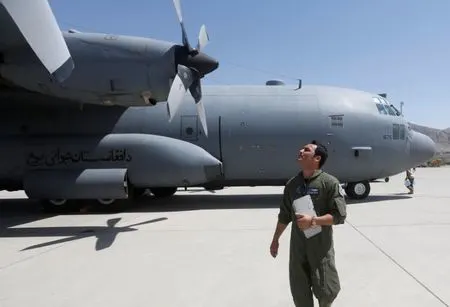
Military pilots are uniquely positioned to meet this demand. Their extensive flight hours, disciplined training, and exposure to complex operations give them a strong head-start. But the path from a military flight suit to a civilian uniform, while promising, requires preparation and a clear understanding of the steps involved.
Transitioning Is Easier With a Map
Although the experience gained in the military is immensely valuable, transitioning to civil aviation is not automatic. The systems, procedures, and even cockpit philosophies can differ significantly. However, with the proper guidance and training, the process becomes far more navigable.
What Type of Flying Is Right for You?
Before starting the paperwork, many transitioning pilots ask: What kind of flying should I do? Here are the main civil aviation paths, and what they typically offer:
| Type of Aviation | Description | Work Regime |
| Commercial Airline | Scheduled passenger | Seniority-based, fixed rosters, often unionized |
| Executive Jets | Corporate/private clients on business jets | On-call, often with more flexibility but less predictability |
| General Aviation | Includes charter, tourism, instruction, and aerial work | Varied schedules, great for gaining civil hours |
| Flight Instruction | Teaching in flying schools or universities | Flexible, may offer a steady local lifestyle |
| Cargo/Freight | Nighttime or long-haul freight operations | Demanding schedules but often high pay and benefits |
In some countries, airlines tend to have more structured cadet programs, often requiring a significant investment in training upfront but offering clearer progression pathways. In corporate aviation, especially for executive jets, operators place strong emphasis on customer-facing skills, flexibility, and discretion. In Asia, particularly in rapidly expanding markets like China and Southeast Asia, airlines have offered competitive expatriate packages to attract experienced pilots, though conditions vary widely by operator and country.
A wide salary range in aviation is shaped by several key factors, including the employer’s size and location, the category of aircraft operated, and—most significantly—a pilot’s experience in that specific aircraft type. According to the U.S. Bureau of Labor Statistics (BLS), the median annual wage for airline pilots and copilots was $219,140 as of May 2023. The lowest 10% earned less than $101,710, while the highest 10% exceeded $239,200 annually. In comparison, international carriers such as China Southern Airlines offer highly competitive packages, with entry-level pilot salaries reported at approximately $228,000 per year. Highlighting the profession’s earning potential, U.S. News & World Report ranked airline pilot among the Top 10 highest-paying careers in 2023—remarkably, the only non-medical profession to appear on the list.
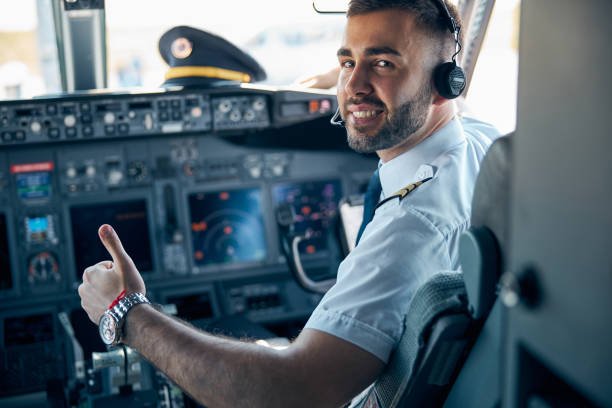
A newly hired first officer on a regional jet earns significantly less than a senior widebody captain flying international routes. In commercial airlines, the time it takes to advance from first officer to captain typically ranges from 5 to 10 years, depending on company growth, pilot seniority systems, and aircraft type. Fast-growing carriers or regional operators may promote within 2-3 years, while legacy airlines with slower turnover may take longer.
The Certification Process: From Military to Civil
The first step is to ensure your military flying experience is recognized by the civil aviation authority. In the U.S., this involves the FAA and typically includes:
- Validating Flight Hours: Military hours can be counted toward total time, provided you have proper documentation—flight logs, training records, and mission summaries.
- Obtaining a Commercial or Airline Transport Pilot (ATP) Certificate: The FAA allows a Military Competency – Commercial or ATP Certificate, if certain conditions are met (e.g., passing a knowledge test, meeting currency requirements).
- Type Ratings: Military type ratings don’t always carry over directly. For transport-category aircraft, a civil type rating may be required after a checkride or simulator evaluation.
- Medical Certification: Civil aviation requires a Class 1 or Class 2 medical certificate, depending on the type of operation.
- Licensing Abroad: Processes differ in EASA (Europe), ANAC (Brazil), and CAAC (China). While many hours are accepted, additional training, theoretical exams, or validation flights may be required.
Being proactive in organizing your records—preferably while still in service—can save you months of time.
Key Challenges in the Transition
Transitioning pilots often face a few recurring challenges:
- Understanding Modern Cockpits: Military aircraft may not follow the same automation logic as civil jets. Learning to manage glass cockpits, FMS, flight directors, and autopilot effectively is fundamental for success in airliner or business jet environments.
- Adapting to Civil Air Regulations: Each civil operation—especially in complex or international airspace—comes with its own rules and documentation. From ETOPS to RVSM and PBN, understanding these regulations is vital.
- Cultural Shift: Civil aviation often involves a greater emphasis on CRM, customer service, and procedural consistency. Military pilots who mentally prepare for these shifts adjust faster and more smoothly.
Your Military Career Was the First Chapter
The path to civil aviation is not just possible—it’s full of opportunity. With thousands of pilots retiring, fleets growing, and air travel rebounding, the demand for experienced aviators is stronger than ever.
What you bring to the table—discipline, leadership, and real-world flying—makes you highly attractive to airlines and operators. With proper preparation and training, the transition becomes more than just a new job. It becomes the next great mission.
Sources
- Boeing Pilot and Technician Outlook 2023–2042
- FAA Advisory Circular AC 61- 89H – Military Competency
- FAA Order 8900.1 – Flight Standards Information Management System (FSIMS)
- EASA Part-FCL – Flight Crew Licensing Regulations
- ICAO Global Aviation Training (GAT) Guidance
- Embraer Market Outlook 2023
- Air Line Pilots Association (ALPA) – Career Info & Pilot Pay
Good.